
Therapy
Trauma-informed therapy across the lifespan
in Yukon, Oklahoma
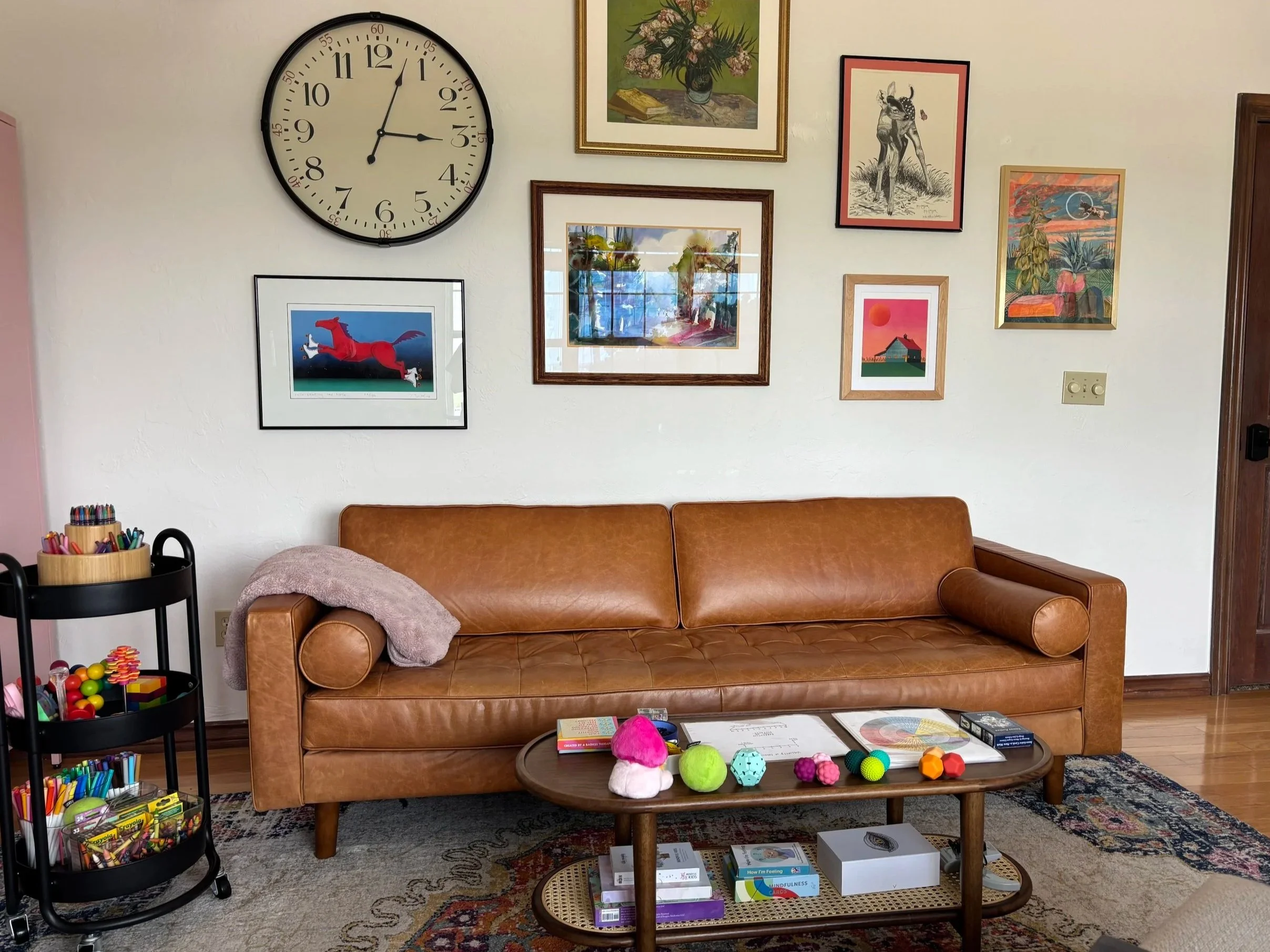
I am an EMDR therapist, and my work is grounded in the understanding that current struggles are often connected to past experiences and that you are not broken for feeling the way you do. You make sense.
Many of the people I work with care deeply, think deeply, and have spent a long time adapting to their environments. They often are torn between functioning well on the outside, while feeling overwhelmed, disconnected, or unsure on the inside.
My approach is collaborative, experiential, and paced. I work with people who are open to exploring emotions, internal experiences, and body-based responses, not to “fix themselves,” but to understand their nervous system and build a life that feels more aligned, meaningful, and sustainable.
Frequently asked therapy questions, answered.
-
I work with individuals who may be experiencing:
the impact of a recent traumatic experience, including intrusive thoughts and images
PTSD or complex trauma, especially when symptoms are
subtle, chronic, or masked by high functioninganxiety, panic, or chronic stress that shows up as
overthinking or hypervigilanceidentity-based harm or chronic invalidation, including 2SLGBTQ+-related stress
or religious trauma and deconstructiongrief, loss, or major life transitions
people-pleasing, difficulty asserting needs, or chronic self-doubt
perfectionism or a sense of always needing to “hold it together”
I also work with individuals in helping or service-oriented roles who want a contained, supportive space to process their experiences, address burnout or vicarious trauma, and focus on their healing.
-
Individual therapy sessions are $150 per 50-minute session.
I am a private pay–only practice and do not accept insurance. I provide superbills to all clients who wish to seek potential reimbursement from their insurance provider, if applicable.
I choose a private pay model to protect client privacy and clinical integrity. This allows treatment planning to remain focused on your goals, needs, and pace.
I am not accepting new clients at this time.
-
In our work together, therapy may involve:
• exploring how trauma, chronic stress, identity-based harm, or relational wounds have impacted your nervous system, sense of self, and relationships
• understanding patterns such as people-pleasing, perfectionism, overfunctioning, or self-doubt
• developing emotional awareness and learning how to tolerate discomfort without shutting down, avoiding, or pushing through
• reconnecting with your values, identity, strengths, self-compassion, and sense of meaning
• building skills for nervous system regulation, communication, assertiveness, and boundary-setting
• exploring relational patterns and learning how to create safer, more fulfilling relationships
• integrating insight and skills to increase capacity gradually and support sustainable, meaningful change
My approach is collaborative, trauma-informed, and paced. I work to honor what has helped you survive while supporting meaningful change that aligns with who you are and how you want to live.
-
Adolescence is a time of rapid growth, identity development, and shifting relationships with family, peers, and the wider world. It can also be a period marked by big emotions, stress, and confusion about where you belong.
Therapy for adolescents can be a space to explore anxiety, depression, grief, family conflict, school stress, friendships and relationships, identity, and the effects of trauma or chronic overwhelm. I provide adolescents with a supportive, creative space to express themselves, process their experiences, strengthen emotional regulation, and feel understood. I am affirming of 2SLGBTQ+ identities and collaborate with caregivers when appropriate, while also respecting the adolescent’s need for autonomy and trust.
I also work with adolescents who have ADHD, are on the autism spectrum, or are exploring questions about neurodivergence. My approach is collaborative and flexible, honoring different communication styles, sensory needs, and ways of processing the world. Therapy often includes psychoeducation, practical skill-building, and support with self-advocacy—helping adolescents better understand their brains, communicate their needs, and build confidence in navigating school, relationships, and systems of care. When helpful and with consent, I collaborate with caregivers, prescribers, and other providers to support coordinated, thoughtful care.
Adolescent therapy is most effective when caregivers are willing to engage in the process and reflect on their role in supporting change. When patterns outside the scope of adolescent therapy arise, I may recommend additional supports for caregivers or the family system.
-
Children often communicate through play, creativity, movement, and imagination, and therapy is designed to meet them where they are developmentally.
I work with children who may be navigating anxiety, big emotions, trauma, grief, family transitions, or changes in behavior. When children have experienced difficult or frightening events, early support can help reduce long-term impacts and support healthy emotional and relational development. Therapy with children may include play, EMDR, sandtray, art, games, music, and other creative approaches, tailored to each child’s interests and needs.
Therapy with children is most effective when caregivers are actively involved in the process. I require caregiver participation through parent sessions, collaboration around goals, and support for the child outside of therapy. While sessions focus on the child’s experience, meaningful change happens when caregivers are willing to engage, reflect, and participate as part of the therapeutic system.